
THE SECRETS TO REDUCING FATIGUE WHEN TRAVELLING FOR SPORT

Most professional sport is played out between opponents on a pitch or court. But there's also another rival that rears its ugly head when athletes least expect it. Travel fatigue.
Long-haul flights to pre-season camps, coach journeys between fixtures, unfamiliar hotel beds, disrupted meal times, and time zones that put an athlete's body clock several hours out of step with kick-off. It can all be disruptive.
Teams have largely become wise to this in the last decade or so. What used to be handled by a willing coach and a bag of energy bars is now a planned operation involving sleep scientists, nutritionists, and travel management professionals who know the impact it can have on performance.
WHAT IS TRAVEL FATIGUE?WHAT IS TRAVEL FATIGUE?
It probably helps to seperate the concept of “travel fatigue” from the two problems that often get lumped together:
Travel Fatigue
This is the general wear and tear of the journey itself and is what this article is all about. Whether that be hours of sitting down on a coach, not drinking enough on a journey, experiencing too much noise or broken sleep. All of this can accumulate over a season, even on short domestic trips, and it doesn’t require crossing a single time zone.
Jet Lag
Jet lag is specific to crossing time zones, but it is often (wrongly) what people use to define travel fatigue. Our internal clock, which governs temperature, hormone release, & physical output, stays anchored to the departure time zone and takes days to realign. So an athlete competing at 7pm local time might be performing at what their body believes is 4am.
BEFORE DEPARTURE
The real work starts well before anyone hops on a plane or boards a coach.
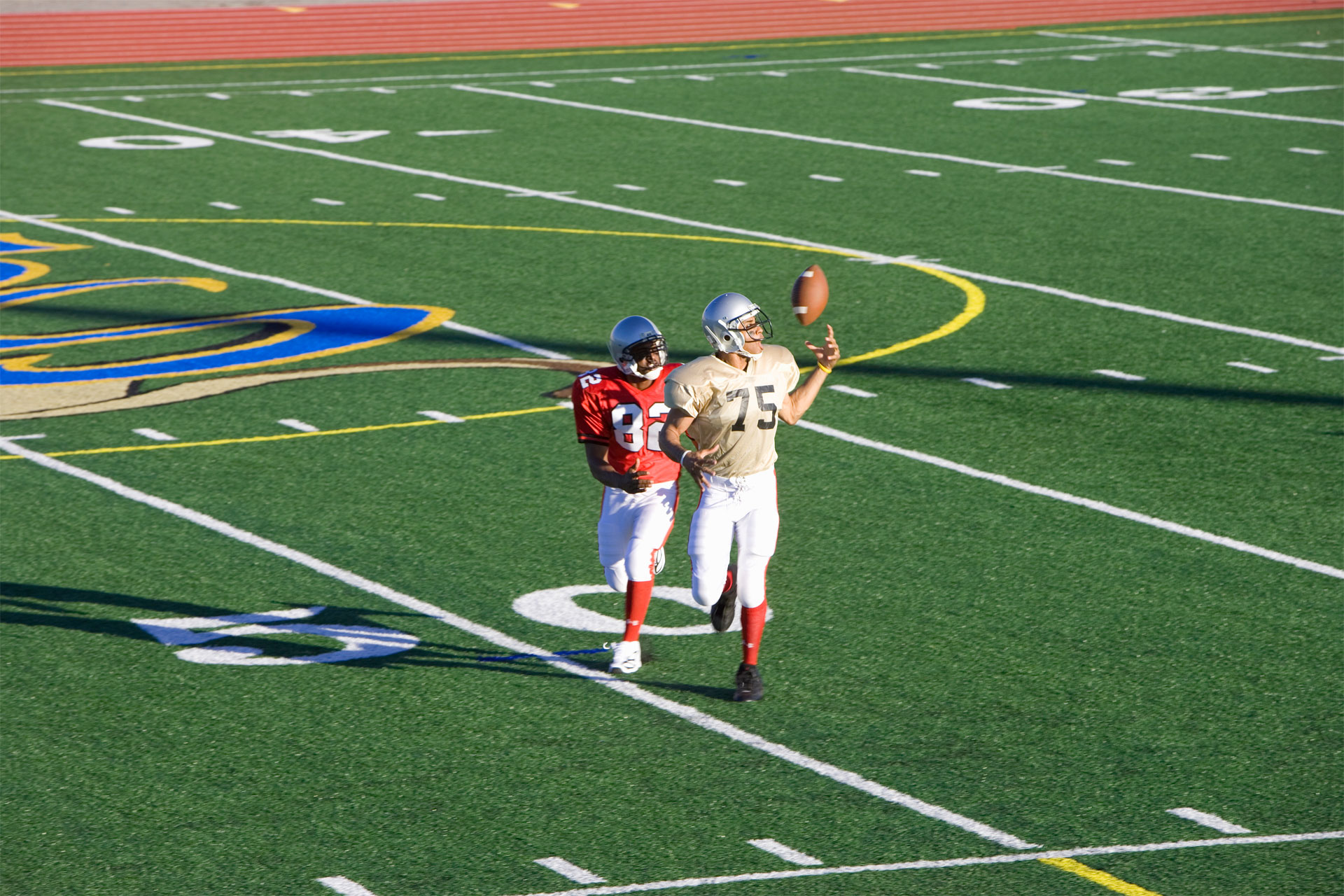
SCHEDULE THE JOURNEY AROUND GAMES
(And never the other way around). Where budget and fixture lists allow, teams either arrive early enough to adapt, ideally close to a day per time zone crossed, or arrive so late that there is no time for the body clock to drift at all, competing effectively on home time. Arriving two days before a match after crossing eight time zones is the worst of both worlds.
SHIFT THE BODY CLOCK IN ADVANCE
For long eastward trips, athletes may move bedtime and wake time earlier by 30 to 60 minutes a day for several days beforehand, paired with morning light exposure. For westward travel, the shift goes the other way. Even a partial adjustment of two or three hours before departure reduces the gap that has to be closed on arrival.
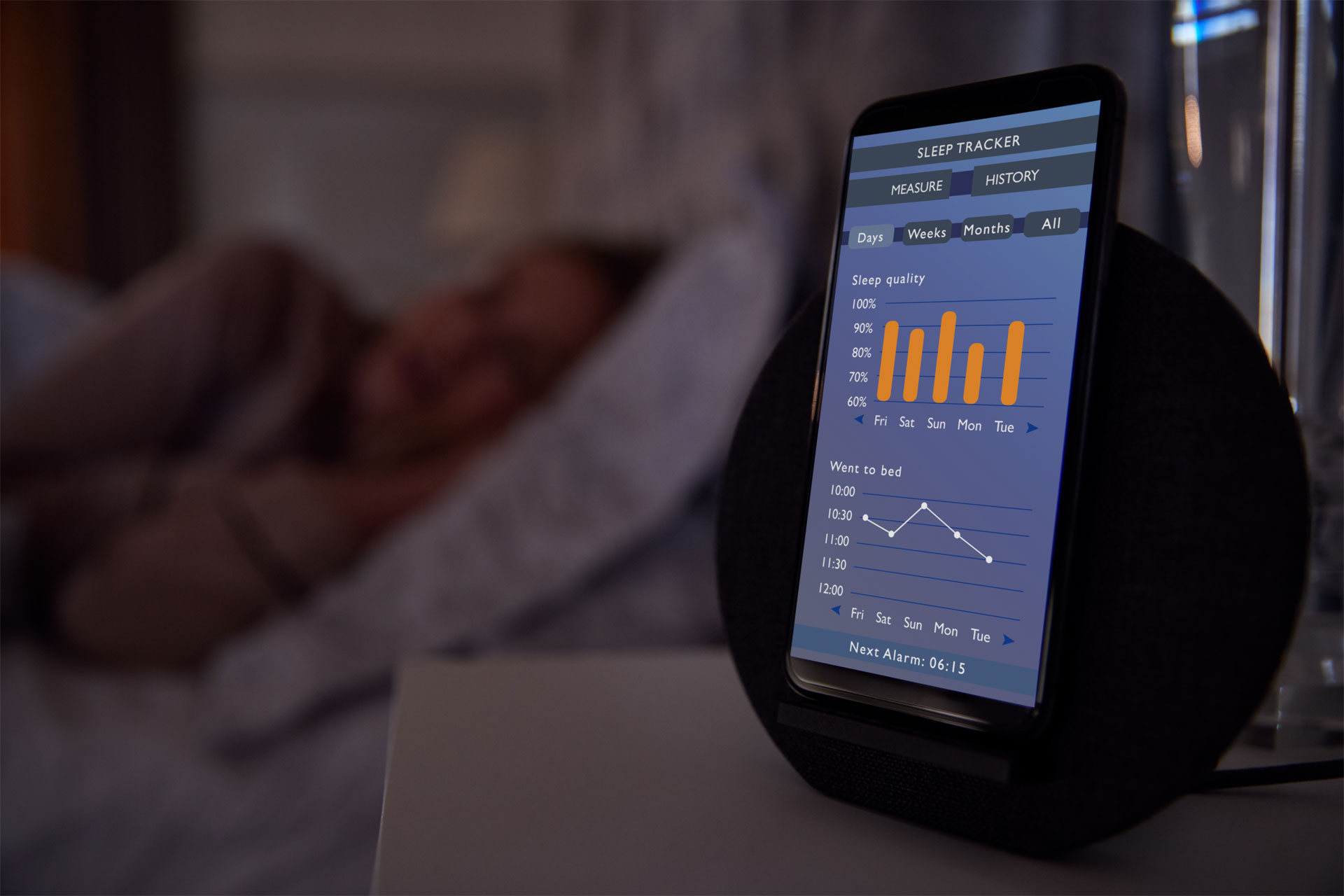
PUT SOME SLEEP "IN THE BANK"
Athletes rarely sleep well the night before a long flight, and almost never sleep well on one. Extending sleep by an hour or so in the nights leading up to departure creates a bit of a "buffer zone" to get the body used to a new schedule.
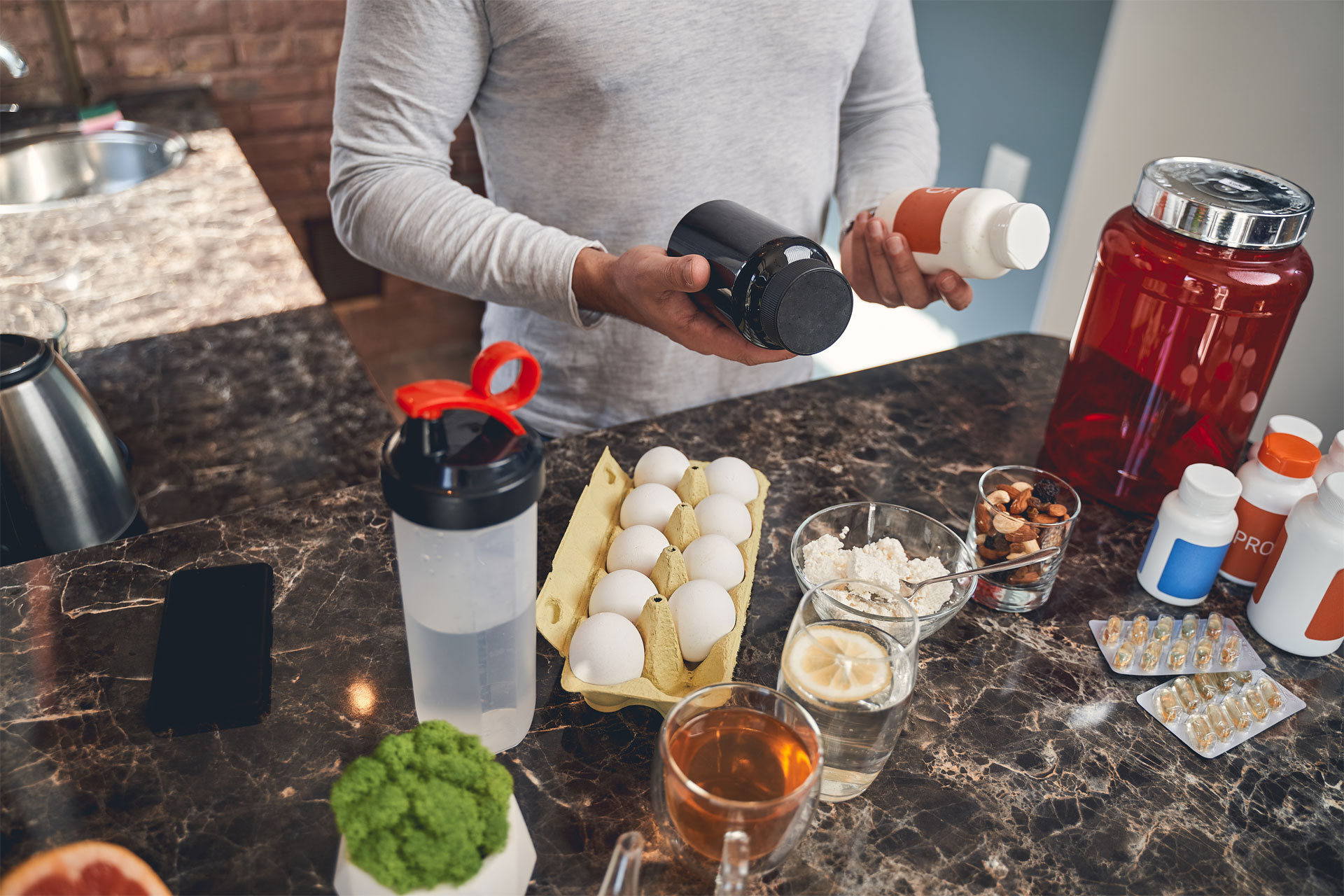
PLAN FOOD & DRINK IN ADVANCE
Nutritionists commonly brief the airline or charter provider on meals and when they should be served, and send players with their own snacks so nobody is dependent on what the catering trolley happens to offer at 2am.
LET'S TALK SPORT TRAVEL
Discover how Gray Dawes Sports helps you get every ounce of value from your sports travel programme, and make travel logistics work for performance with a service as personal as your game plan.
Get in Touch
WHILE ON THE MOVE
Try to limit the effects of travel fatigue as much as you can while in transit.
KEEP A CLOSE EYE ON HYDRATION
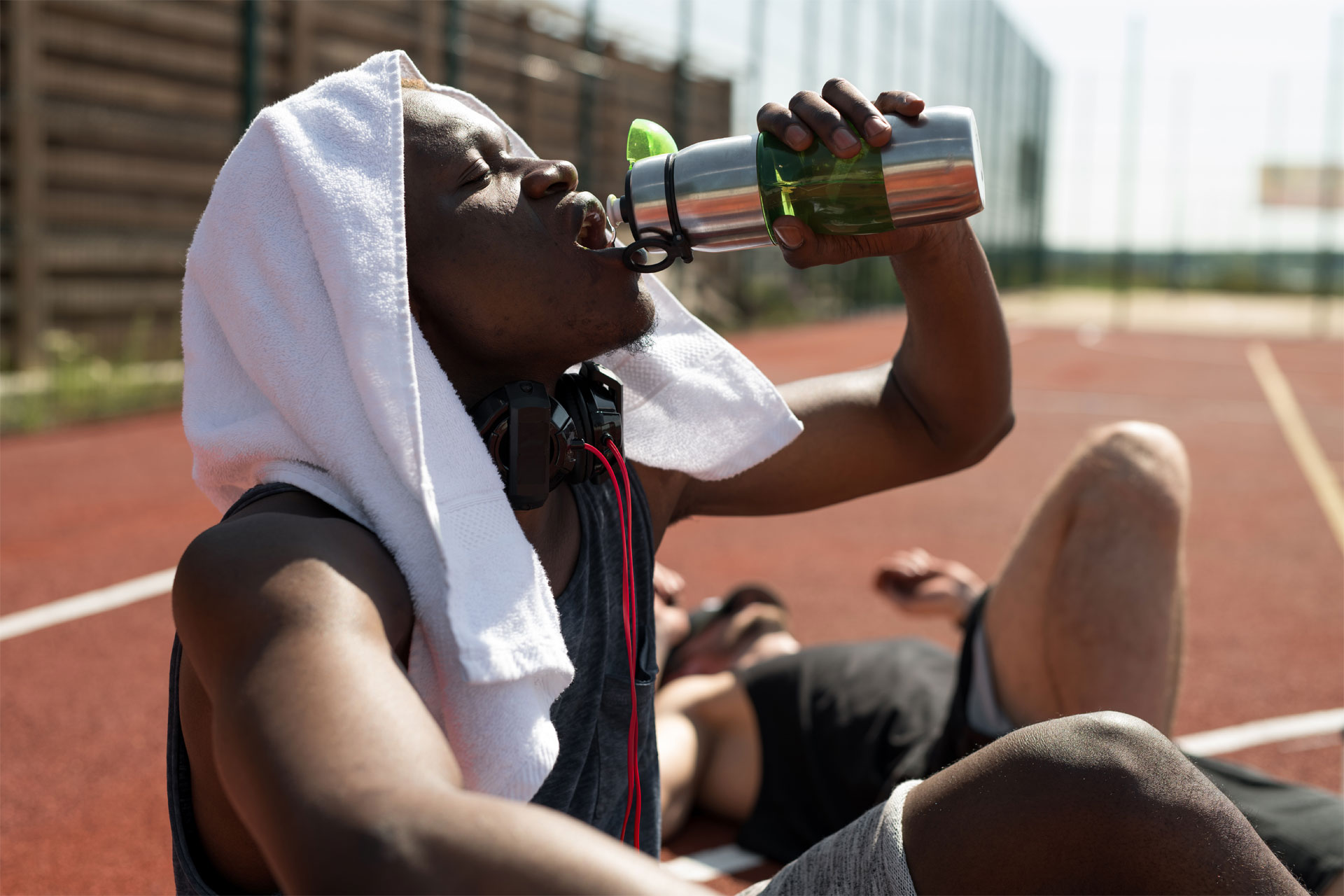
Cabin air is extremely dry and the combination of low humidity, caffeine and alcohol adds up over a long flight. Most teams set a target of steady fluid intake through the journey, with electrolytes on very long sectors, and treat alcohol as off-limits in the air.
KEEP MOVING
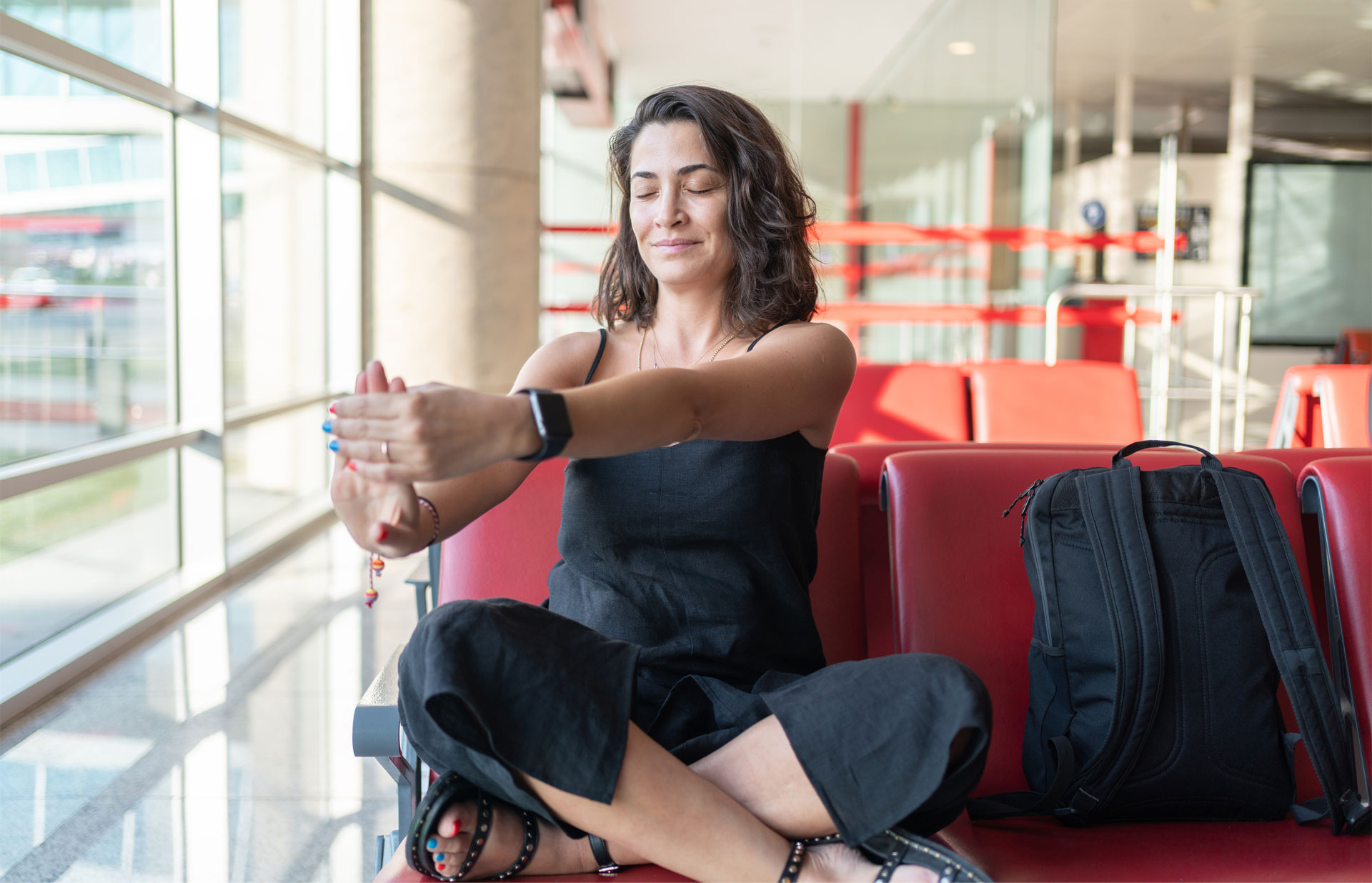
Sitting for eight hours on a coach or a plane causes stiffness, fluid pooling in the lower limbs, and even a small (but real) clotting risk. Build in regular walking, ankle pumps, calf raises and simple mobility work, often on a timer rather than left to individual discretion.
EMBRACE SOME LIGHT SLEEP
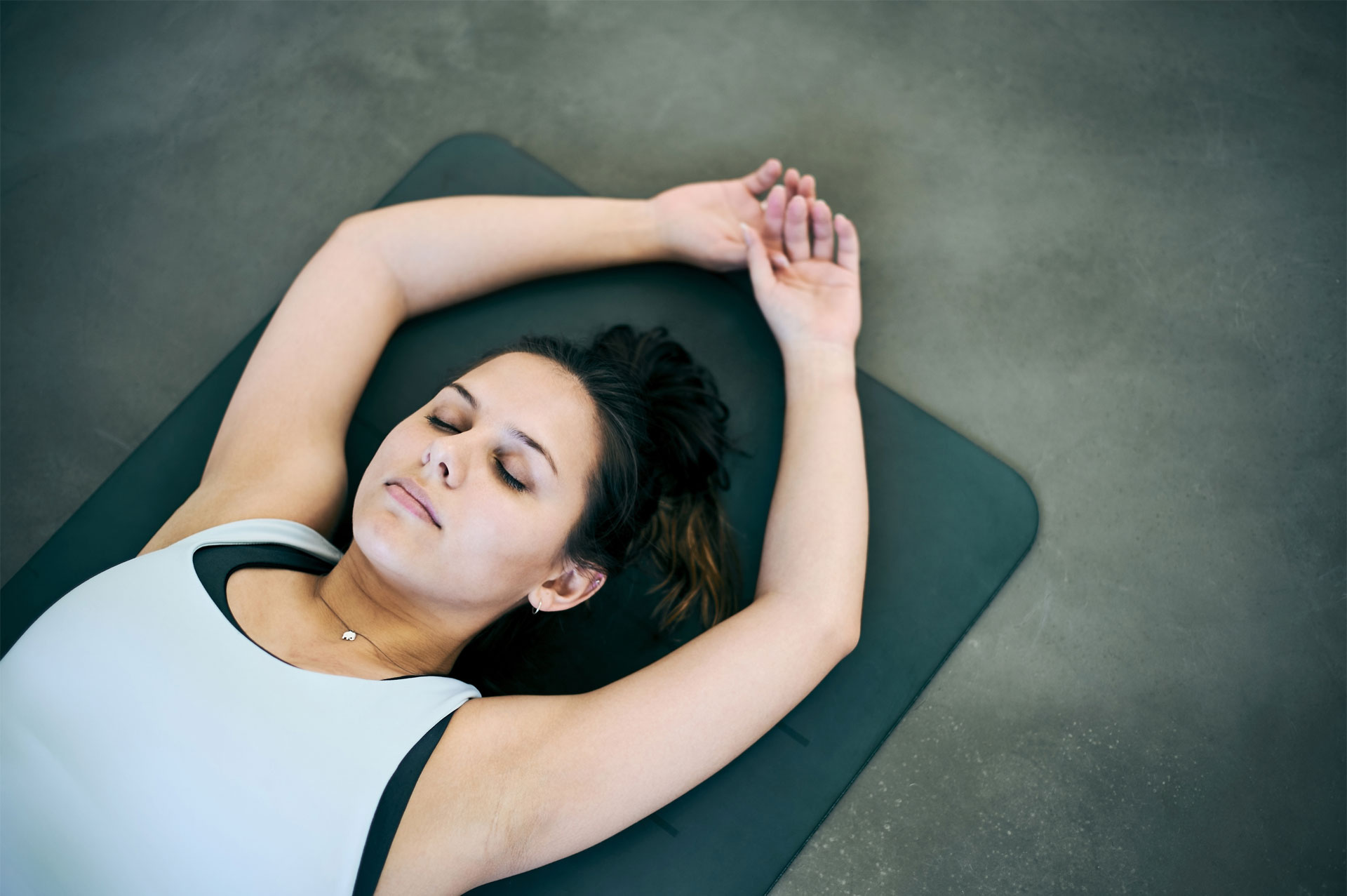
Rather than sleeping whenever tiredness hits, give your atheltes a target: sleep during the hours that correspond to night at the destination, stay awake otherwise. Eye masks, noise-cancelling headphones, neck pillows and a consistent wind-down routine all help.
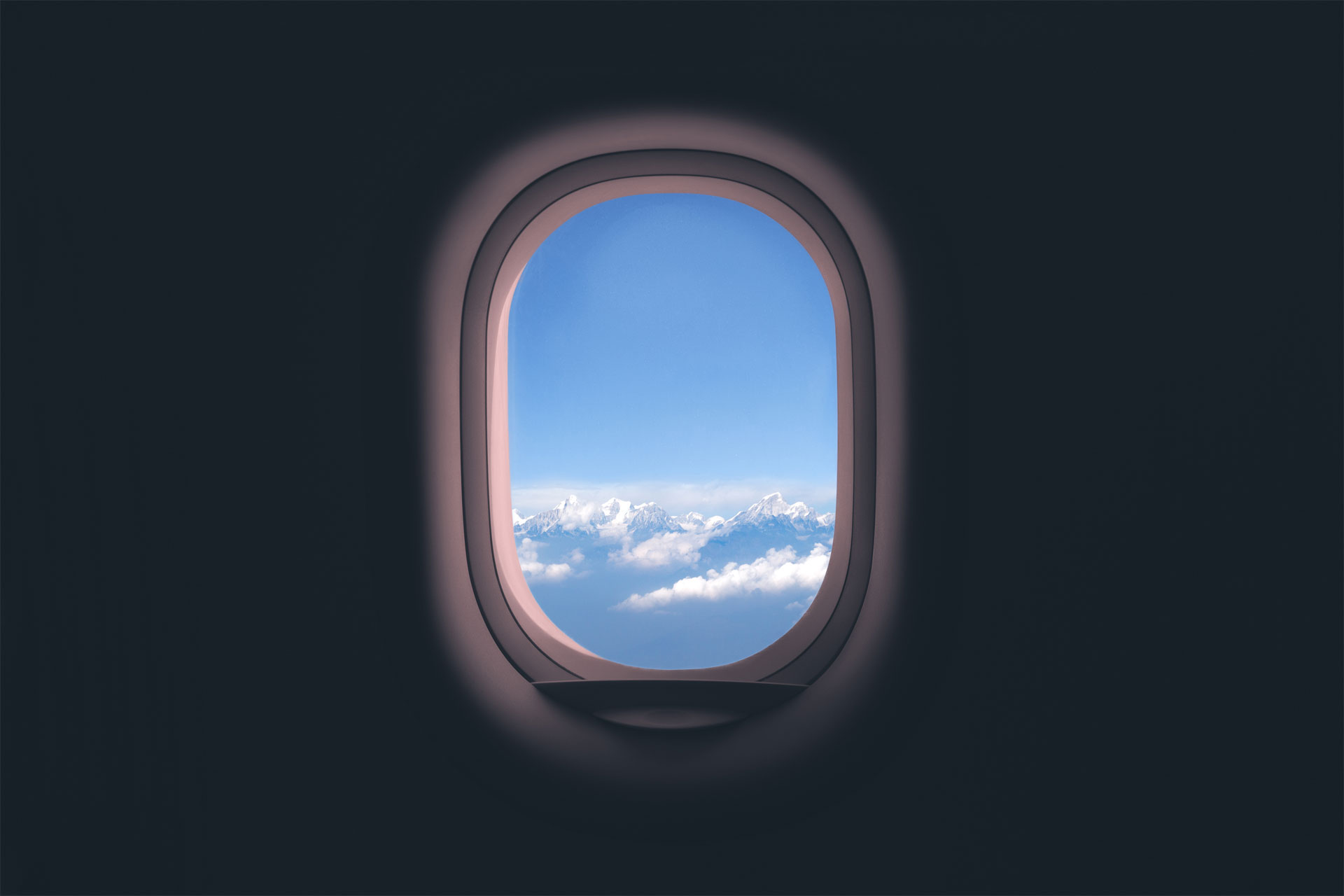
CONTROL THE CABIN ENVIRONMENT
Where teams can afford charter flights or business class seating, they buy the ability to lie flat and control the environment. This is one of the clearest advantages wealthier clubs and national teams hold over smaller ones.
HOTELS MATTER MORE THAN PEOPLE THINK
Sleep is the single most powerful recovery tool available, and hotel rooms play a massive part in that. Teams are better off specifying conditions rather than hoping for the best.
DARK
COOL
QUIET
FAMILIAR
ON ARRIVAL
The work doesn’t stop when an athlete or team arrives at a destination.

LIGHT IS YOUR FRIEND
Light exposure is the most powerful signal for shifting the body clock, and getting it wrong can push the clock in the wrong direction. The general principle after eastward travel is to seek morning light and avoid late-evening light; after westward travel, the reverse.
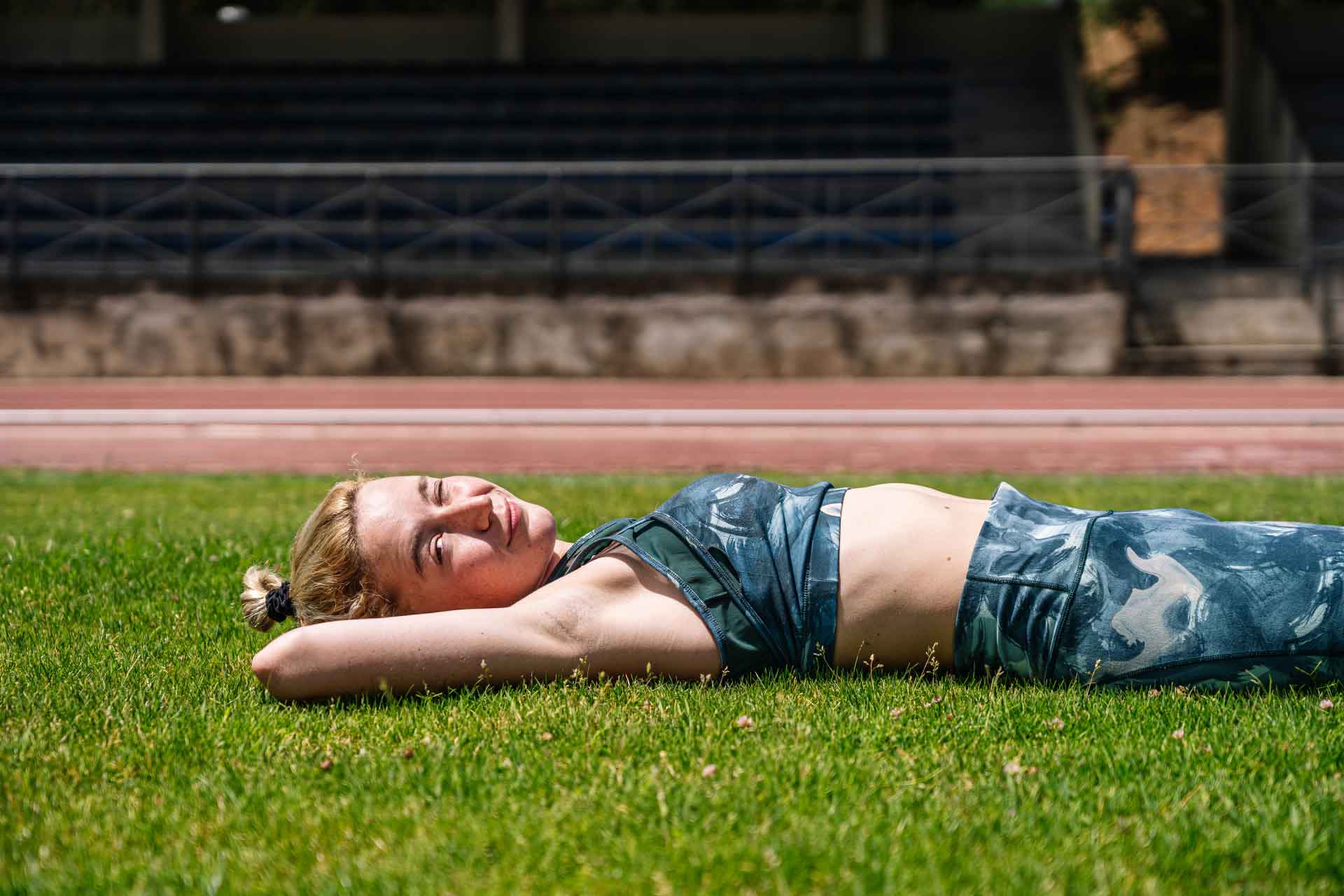
TAKE STRATEGIC NAPS
Short naps of 20 to 30 minutes can restore alertness without leaving athletes groggy or eating into night-time sleep pressure. Long afternoon naps on arrival day are usually discouraged because they delay adaptation to the local time zones.

BE CAREFUL WITH MELATONIN AND CAFFEINE
Low-dose melatonin at the right time can help shift the clock, and caffeine can support alertness during the hours athletes need to stay awake. Both are timing-sensitive, both need to be checked against anti-doping and medical guidance, and both should be handled by qualified staff rather than left to individuals.
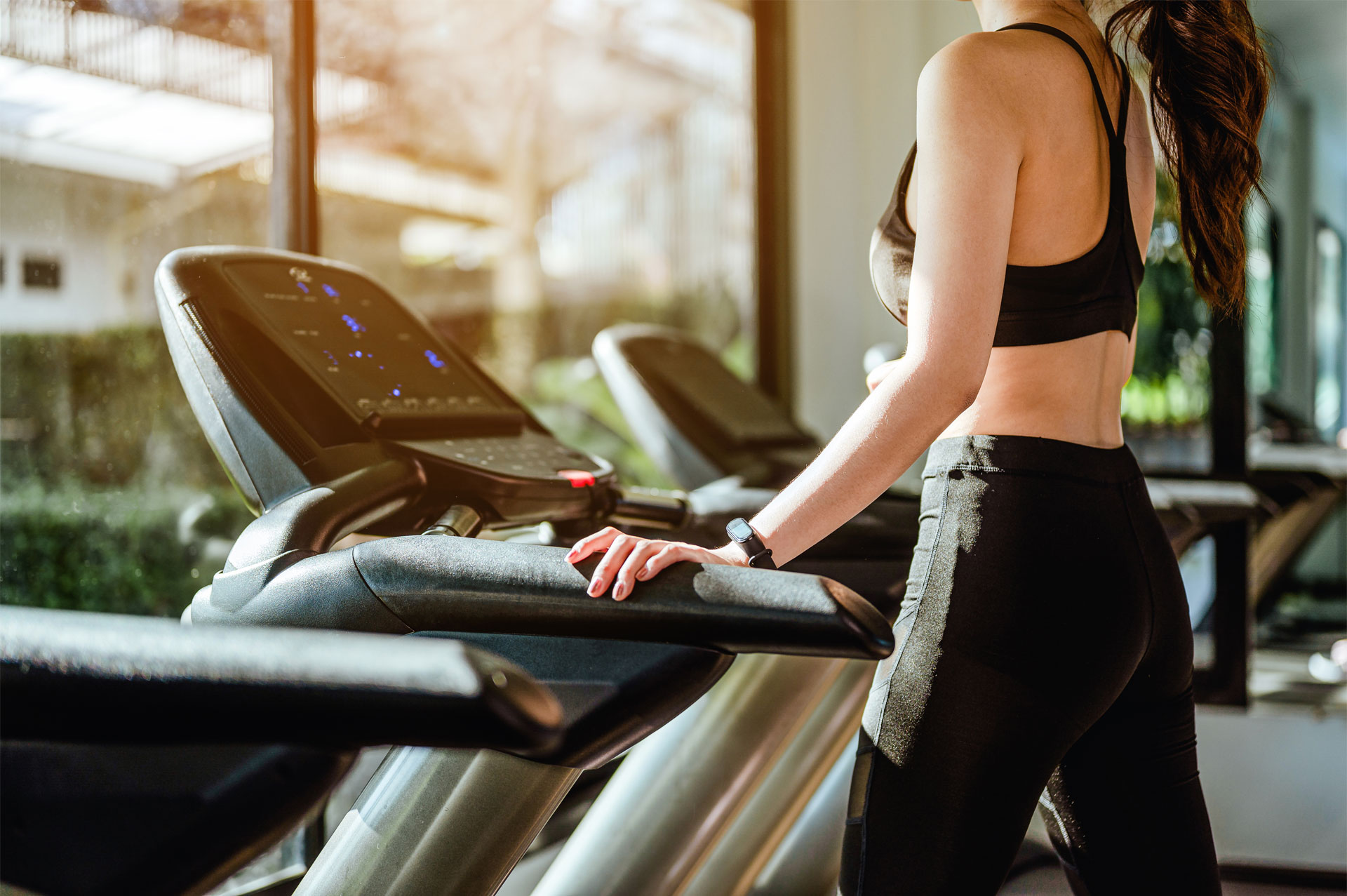
MOVE EARLY
Light activity soon after landing, a walk, a gentle flush session, or a low-intensity technical session, helps circulation, reinforces the new daily rhythm and gets athletes outside in daylight.
IN CONCLUSION
In truth, there is no single trick that eliminates travel fatigue. What separates well-prepared teams is that they treat the journey as part of the performance plan rather than an interruption to it. The itinerary is designed around the body clock. Light, sleep, food and training load are scheduled rather than improvised. The hotel is specified, not accepted. And the whole thing is reviewed afterwards.